
Kenya Blog
Kenya Migration Guide: The Brutal Truth About Witnessing the Great Migration
The Great Migration sounds like a sure thing in most safari marketing. In practice, millions journey and come home unhappy because they did not plan well. What you want, if you don’t want a safe brochure version but the real thing, is a precise sense of timing, movement patterns and exact viewing locations. This guide provides information that counts.
What Is the Great Migration?
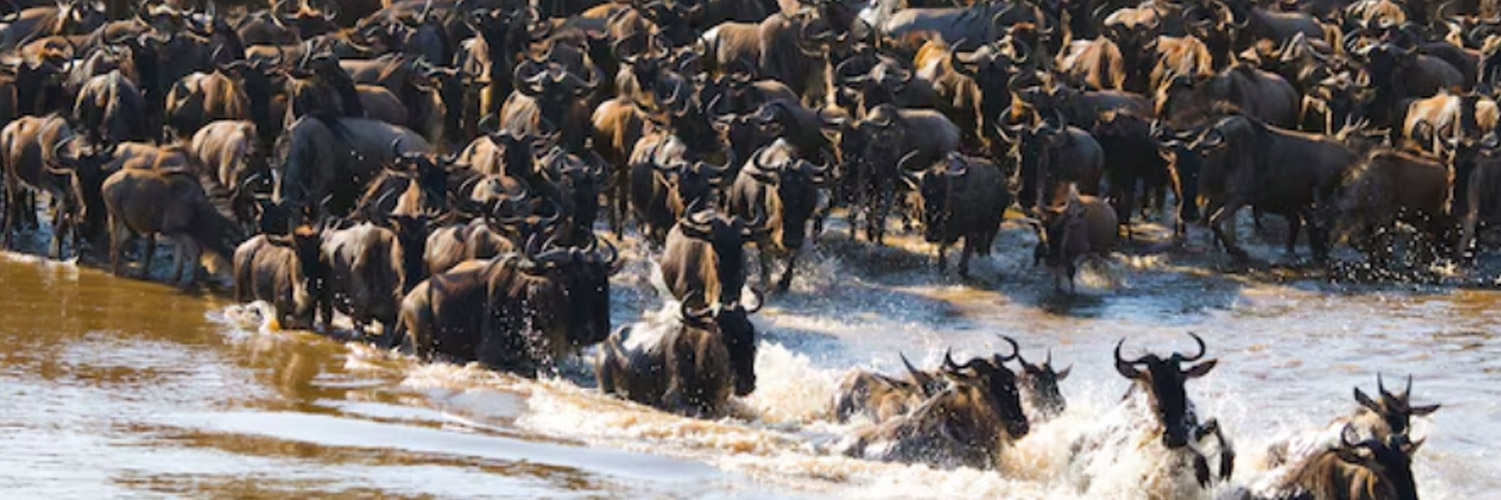
The Great Migration is the largest terrestrial animal migration on Earth. More than 1.5 million wildebeest, hundreds of thousands of zebras, and gazelles herd in a circular loop between Tanzania’s Serengeti and Kenya’s Masai Mara, following rain and the availability of grass. Predators strike constantly. Lions target the newborn, cheetahs go after the slow joggers, hyenas shred the laggards, and giant crocodiles stand in ambush at river fords.
That is not a serene safari moment. It is raw survival.
It is not a calm safari moment. It is raw survival.
When Does the Migration Happen?
- January to March
- April to June
- July to October
- November to December
- Southern Serengeti
- Western Serengeti and Grumeti
- Masai Mara, Kenya
- Serengeti
- Calving season, intense predator action
- Herds push north, early crossings
- Peak Mara River crossing
- Herds move south again
If you want the Mara River crossing, plan July to October. Anything outside that window is unpredictable.
Best Places to See the Migration in Kenya
Not everywhere is the migration visible. Here, the action unfolds in distinct areas:
- Masai Mara National Reserve
- Mara Triangle Conservancy
- Talek and Olare Orok regions
- Crossing points such as Lookout Hill, Kichwa Tembo, and Serena Crossing
If someone cannot specify exact locations, they are guessing.
How Long Should You Stay?
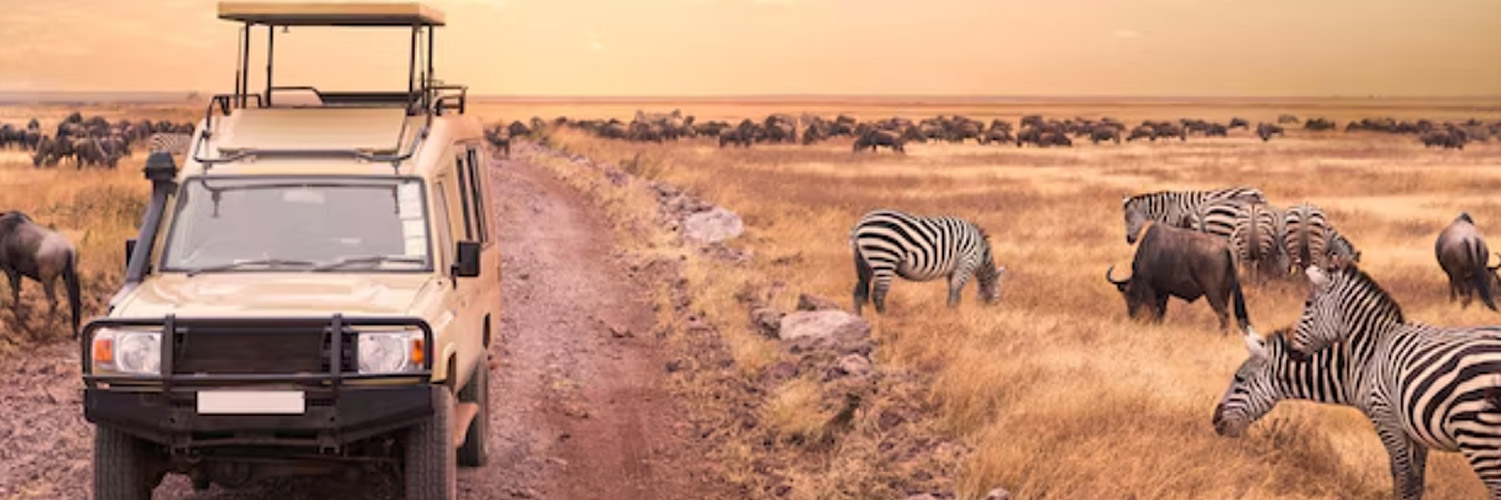
Crossings are unpredictable. You sometimes wait hours without a hint, then everything explodes in minutes. Minimum recommended: 5 to 7 days Crossings are unpredictable. You sometimes wait hours without a hint, then everything explodes in minutes. Short trips greatly decrease your odds of encountering authentic migration drama.

Why Combine Kenya and Tanzania
Focusing your safari on Kenya will give you a fraction of the picture. The cycle starts in Tanzania around calving season and builds toward Kenya over months.
A combined Kenya-Tanzania Migration Safari delivers:
- Full coverage of migration phases
- Flexibility to follow herd movement
- Access to both the Serengeti and the Masai Mara ecosystems

Explore the complete Kenya Tanzania Migration Safari with Shiloh Travel
Mistakes Most Travelers Make
- Booking without understanding migration timing
- Keeping well away from active areas to minimize costs
- Expecting daily river crossings
- Assuming that every operator is a migration expert
- Staying too short
Essential Travel Tips
- Select camps near crossing points
- Use proper lenses for photography
- Layer clothing for cold mornings
- Get ready for dozens of hours behind the wheel
- Carry insurance
Is the Migration Worth It?
Yes, but only with proper preparation. When the timing and positioning are right, the migration becomes one of the planet’s mightiest wildlife spectacles. Done right, it is a money- and time-saver.
Shiloh Travel Kenya Tanzania Migration Safari itineraries
https://www.shilohholidays.com/kenya.html
Final Takeaway
Migration success is not luck. It’s strategy, patience, and location accuracy. Plan well, and you’ll experience something that stays with you — with Shiloh Travel.